
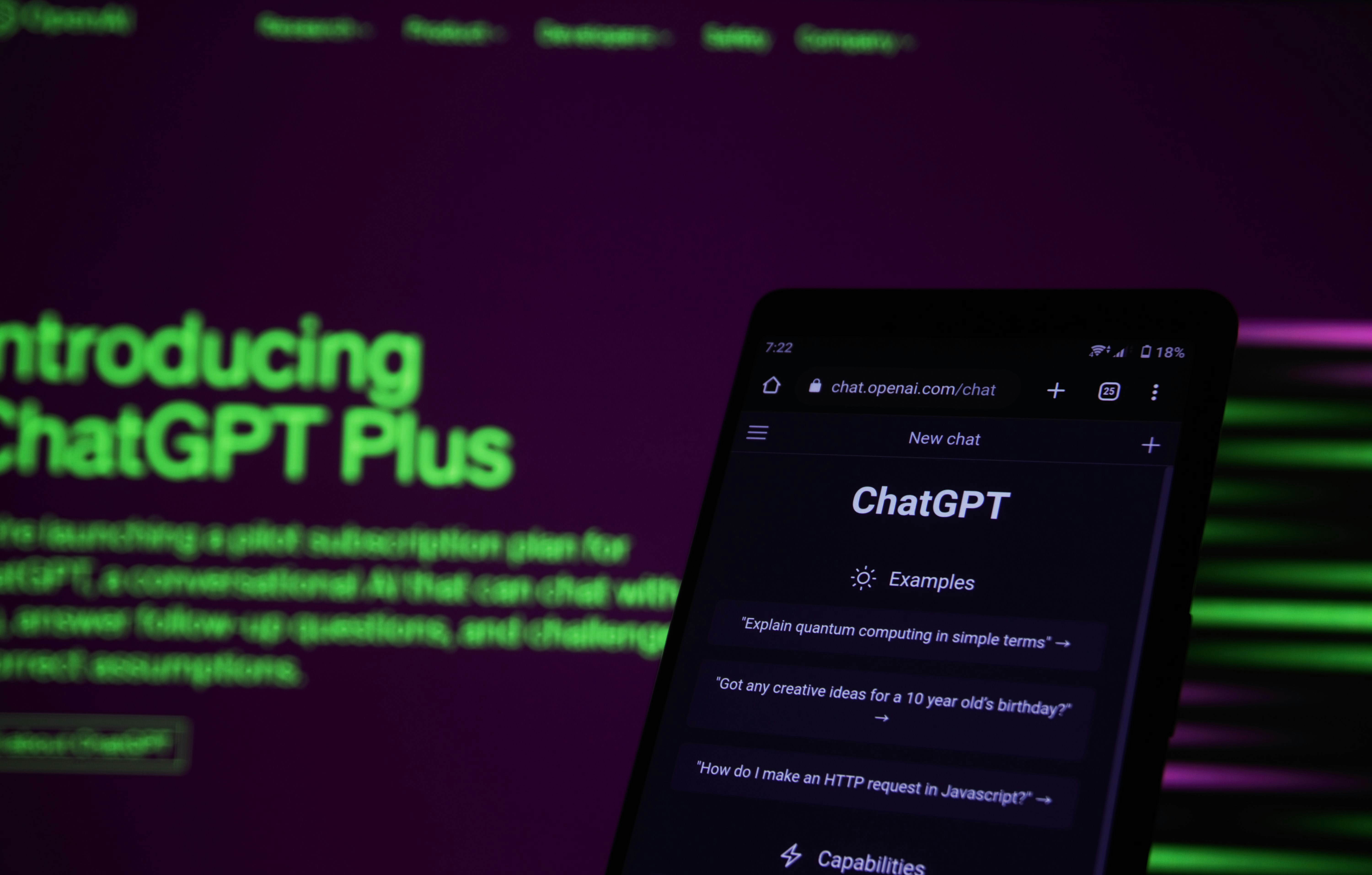
Introduction to ChatGPT and Its Relevance for Students
In recent years, artificial intelligence (AI) has become an integral part of various sectors, including education. One of the most notable innovations in this space is ChatGPT, a sophisticated conversational AI developed by OpenAI. ChatGPT prompts for students are operates on a language model that is capable of understanding and generating human-like text responses. Its ability to engage in coherent conversations makes it a valuable tool for students seeking assistance in their academic endeavors.
ChatGPT serves multiple functions that enhance the learning experience. For instance, it can be employed to facilitate research by providing relevant information and summarizing complex topics in a concise manner. Students can ask specific questions related to their studies, and the AI can generate well-informed answers that are tailored to their needs. This interactive nature of ChatGPT helps learners deepen their understanding of various subjects.
Moreover, ChatGPT can assist students with writing tasks, ranging from essays to reports, by offering guidance on structure, providing examples, or even generating text for specific prompts. This support is particularly beneficial for students looking to improve their writing skills or those who may be struggling with organization and expression of ideas.
In addition to research and writing, ChatGPT can act as a study aid for students preparing for exams. By simulating quiz-like interactions, students can test their knowledge and receive instant feedback, allowing them to identify areas in which they require further study. This adaptive learning approach fosters a more personalized educational experience.
Overall, AI tools like ChatGPT are reshaping the educational landscape, providing students with versatile resources to enhance their academic performance. As the relevance of such tools continues to grow, understanding how to effectively utilize them is essential for maximizing their potential benefits.
Understanding the Basics of Crafting Prompts
In the context of utilizing ChatGPT for educational purposes, understanding the fundamentals of crafting effective prompts is essential. A prompt, in this case, serves as the input or instruction provided to the AI model. This can range from a simple question to a more complex task outline. The effectiveness of a prompt significantly influences the quality of the responses generated by ChatGPT.
Clarity and structure are crucial components of a well-formed prompt. When a prompt is clear, the AI is better able to grasp the intended context, leading to responses that are not only relevant but also accurately aligned with the user’s requirements. Conversely, vague or ambiguously structured prompts may result in outputs that lack specificity or depth, which can hinder the learning experience.
To create an effective ChatGPT prompt, it is recommended to begin by clearly defining the objective of the interaction. For instance, if a student seeks assistance with a specific topic, including key details such as the subject matter or questions can significantly enhance the AI’s ability to provide valuable insights. Additionally, using a structured format, such as specifying the format of the desired answer—whether a summary, bullet points, or an explanation—can further refine the engagement.
The integration of context within prompts also plays a vital role. Providing background information or examples can help set the stage for more tailored responses. For instance, construction of ChatGPT prompts for students like “Explain Newton’s laws of motion with examples” offers a clearer directive than a more general solicitation like, “Tell me about Newton.” Thus, effective prompt crafting not only promotes engagement with ChatGPT but also contributes to an enriched academic environment where students can achieve their educational objectives more efficiently.
Different Types of Prompts for Academic Support
In the realm of educational technology, ChatGPT serves as an invaluable tool for students seeking academic assistance. There exists a diverse array of prompts that students can utilize to enhance their learning experience effectively. By categorizing these prompts, we aim to explore how students can leverage them for various academic tasks.
One prominent type of prompt is that designed for brainstorming ideas. Students can utilize such prompts to generate creative thoughts for essays, projects, or presentations. For example, a prompt might ask, “What are the potential causes and effects of climate change?” This encourages students to think critically and develop a comprehensive understanding of complex topics.
Another significant category involves prompts for essay writing assistance. These are particularly useful when students need to structure their arguments or refine their thesis statements. A student might input a prompt like, “Help me outline my essay on the impact of technology on education.” This enables the generation of organized ideas, making the writing process more manageable and systematic.
Furthermore, prompts for generating study questions play a crucial role in the learning process. Students can engage with prompts that help create quizzes or practice tests on specific subjects. For instance, a prompt such as, “What are the most important events in the American Civil War?” allows students to develop targeted study materials that facilitate better retention of information.
Lastly, prompts aimed at summarizing information can significantly aid in comprehension and review. A student may request, “Please summarize the main arguments of this article about renewable energy solutions.” Such interactions not only reinforce learning but also streamline the revision process.
By utilizing these varied types of prompts, students can enhance their academic support systems and improve their overall learning outcomes.
Prompts for Enhancing Writing Skills
Writing skills are essential for academic success, and utilizing ChatGPT can significantly enhance a student’s ability to express ideas coherently and creatively. By employing specific prompts, students can receive constructive feedback and actionable insights to refine their writing. Below are a few effective prompt examples that encourage critical thinking and self-improvement.
One useful prompt is: “Please review my essay titled ‘The Importance of Renewable Energy.’ Could you provide feedback on the structure and clarity of my arguments?” This prompt allows ChatGPT to offer detailed suggestions on how to organize thoughts more effectively, ensuring that the central thesis is supported throughout the text. Students can also use prompts that target specific sections, such as, “Can you help me improve the introduction of my essay by suggesting ways to make it more engaging?” This encourages focus on grabbing the reader’s attention right from the start.
Another effective strategy is to ask for guidance on writing style. A prompt like, “What are some ways to make my writing more concise without losing meaning?” can lead to insights on eliminating unnecessary words or phrases, enhancing clarity. Grammar is also a crucial component of writing, and students can ask, “Can you identify any grammatical errors in my paragraph and explain why they are incorrect?” This not only corrects the current errors but also imparts understanding about grammar rules.
Leveraging ChatGPT as a writing coach can be instrumental in helping students not only produce better essays but also cultivate a habit of continuous improvement. By experimenting with these prompts, students can develop their writing skills and confidence, leading to greater academic achievements.
Using Prompts for Research Assistance
In the realm of academic research, students are often tasked with the challenge of navigating vast amounts of information to formulate coherent and insightful arguments. ChatGPT serves as an invaluable tool in this regard, enabling students to effectively develop research prompts that guide their inquiry. By engaging the AI in dialogue, students can specify topics, ask targeted questions, and receive tailored responses that help clarify their understanding.
When setting forth initial research prompts, students can input broad queries related to their subjects of interest. For instance, asking ChatGPT “What are the key themes in climate change literature?” allows the AI to summarize complex ideas related to climate change, providing a solid foundation upon which students can build their research. This not only aids in identifying pivotal concepts but also cultivates an enhanced comprehension of the subject matter.
Moreover, the AI can assist in generating thesis statements by prompting students with specific questions. For example, by inquiring, “How does urbanization impact biodiversity?” ChatGPT can suggest a range of thesis statements, each reflecting different perspectives. This iterative process encourages students to refine their thoughts and develop an argument that is both original and well-supported by evidence.
Additionally, ChatGPT excels at curating resources for deeper exploration. By requesting prompts such as “What are some seminal works on education inequality?” students gain access to a curated list of literature that enriches their research. Such resourceful inquiries enable students to uncover both foundational texts and contemporary studies, fostering a broader understanding of their chosen topics. In conclusion, utilizing ChatGPT for research assistance presents students with an innovative way to enhance their learning experiences, streamline the research process, and cultivate critical thinking skills.
Interactive Learning: Engaging with ChatGPT in Real-Time
In recent years, the integration of technology into education has significantly transformed the way students learn. One tangible example is the utilization of AI chatbots like ChatGPT, which provide an innovative platform for interactive learning. Students can engage in real-time discussions with ChatGPT, employing conversational prompts that can enhance their educational experience.
Utilizing ChatGPT as an interactive learning tool enables students to clarify doubts almost instantly. When faced with challenging concepts or intricate topics, students can pose direct questions to ChatGPT. This immediate feedback mechanism not only expedites the learning process but also fosters a deeper understanding of subject matter. For instance, a student studying biology can ask ChatGPT to explain cellular respiration, allowing for personalized explanations that cater to their specific learning needs.
Moreover, real-time engagement with ChatGPT can facilitate the testing of knowledge. By crafting questions that challenge their understanding, students can simulate examination scenarios. For example, they may request ChatGPT to administer a mock quiz or to provide scenarios that require applying theoretical knowledge to practical situations. This method not only reinforces learning but also aids in identifying areas that require further study.
Furthermore, ChatGPT encourages students to explore diverse viewpoints through techniques such as Socratic questioning. By asking open-ended questions like “What are the potential repercussions of climate change?” students can probe deeper into topics, fostering critical thinking. This approach encourages learners to consider multiple perspectives, enhancing their analytical skills and understanding of complex issues. Engaging with ChatGPT in this way cultivates a richer learning environment that promotes inquiry and exploration.
Prompts for Study and Revision
Effective study and revision are crucial components of academic success, particularly during exam preparation. Students can utilize ChatGPT to enhance their learning experience by generating targeted practice tests, flashcards, and summary notes tailored to their specific subjects. By using prompts designed for these purposes, learners can better retain information and improve their understanding of complex topics.
For creating practice tests, students might consider prompts like: “Create a five-question quiz on the causes of World War I,” or “Generate a set of multiple-choice questions about the Newton’s laws of motion.” These requests allow ChatGPT to formulate questions that mirror the types of queries students may encounter in actual exams. Furthermore, by using spaced repetition techniques, learners can perform self-testing regularly, reinforcing the material over time and enhancing memory retention.
When it comes to studying vocabulary or key definitions, students can leverage flashcards generated by ChatGPT. A useful prompt could be: “List ten important terms related to cellular biology and their definitions.” This approach enables students to create a structured learning tool that they can review frequently, facilitating easier recall during exams. Additionally, incorporating active recall through flashcard review sessions has been shown to strengthen memory and comprehension.
Finally, students can ask ChatGPT to help summarize course materials. A prompt such as: “Summarize the main points from my notes on economics in 200 words,” provides focused and concise notes that can be quickly revisited. Combining summary notes with conventional study materials allows for a well-rounded revision process, ensuring a thorough grasp of the subject matter.
In conclusion, leveraging ChatGPT for prompts aimed at study and revision not only assists students in organizing their learning but also encourages active engagement with the material, ultimately aiding in their academic performance.
Ethical Considerations and Best Practices
As educational institutions increasingly embrace AI tools like ChatGPT, it is crucial to address the ethical implications that arise within this context. One significant concern is plagiarism. With the ability of ChatGPT to generate coherent and contextually relevant text, students may be tempted to present AI-generated responses as their own work. This not only violates academic integrity but also undermines the foundational principles of personal ownership and originality in scholarly pursuits.
To mitigate this risk, educators should emphasize the importance of using ChatGPT as a supplementary learning tool rather than a primary source of information. Utilizing ChatGPT to gather ideas, clarify concepts, or stimulate critical thinking can enhance the learning experience, but it should not replace traditional methods of research and analysis. Students must be encouraged to synthesize AI responses with their insights, leading to a more enriched educational journey.
Additionally, the rapid growth of AI technology necessitates that students exercise critical thinking when interpreting the responses provided by ChatGPT. While AI tools can produce outputs that appear informative and persuasive, it is essential for users to evaluate the context, credibility, and relevance of the information presented. This evaluative skill nurtures a more discerning approach towards technology, thereby fostering intellectual independence and deeper learning.
Furthermore, fostering an open discourse about AI literacy within academic environments can empower students to navigate ethical challenges effectively. Instruction on how to appropriately reference and incorporate AI-generated content promotes transparency and accountability in academic practices. In this way, students can benefit from the advantages of AI while adhering to the ethical standards expected in educational settings.
Conclusion: Empowering Students through AI
As educational tools evolve, the integration of artificial intelligence in learning practices has become increasingly relevant. ChatGPT, in particular, offers a novel approach for students seeking to enhance their academic experiences. By utilizing effective prompts, students can leverage this AI technology to clarify doubts, generate ideas, and obtain personalized feedback tailored to their learning needs.
The benefits of utilizing ChatGPT as a study aid are manifold. For one, this AI-driven platform can break down complex subjects into manageable explanations, making understanding more accessible. Additionally, it can prompt deeper thought processes by encouraging students to think critically about the questions they ask. This interaction not only enriches their academic skills but also fosters independence in their learning journey.
Furthermore, the use of ChatGPT can help students develop essential skills such as research methodology and information synthesis. By posing well-structured queries, students are encouraged to engage with the material actively, promoting better retention of knowledge. The flexibility offered by this technology allows learners to tailor their study sessions to fit their specific educational goals, maximizing the effectiveness of their time spent studying.
It is vital, however, that students approach the integration of AI thoughtfully and responsibly. Ensuring that the use of tools like ChatGPT accentuates learning rather than replacing traditional study methods is crucial. By maintaining a balance between AI assistance and conventional research techniques, students can cultivate an enriching educational experience that prepares them for future challenges.
In conclusion, ChatGPT holds the potential to empower students across various disciplines. As they adopt effective prompts within their learning strategies, the goal remains to enhance their educational journey while promoting autonomy in their academic pursuits. By embracing this technology, students can navigate their educational paths with renewed confidence and curiosity.